
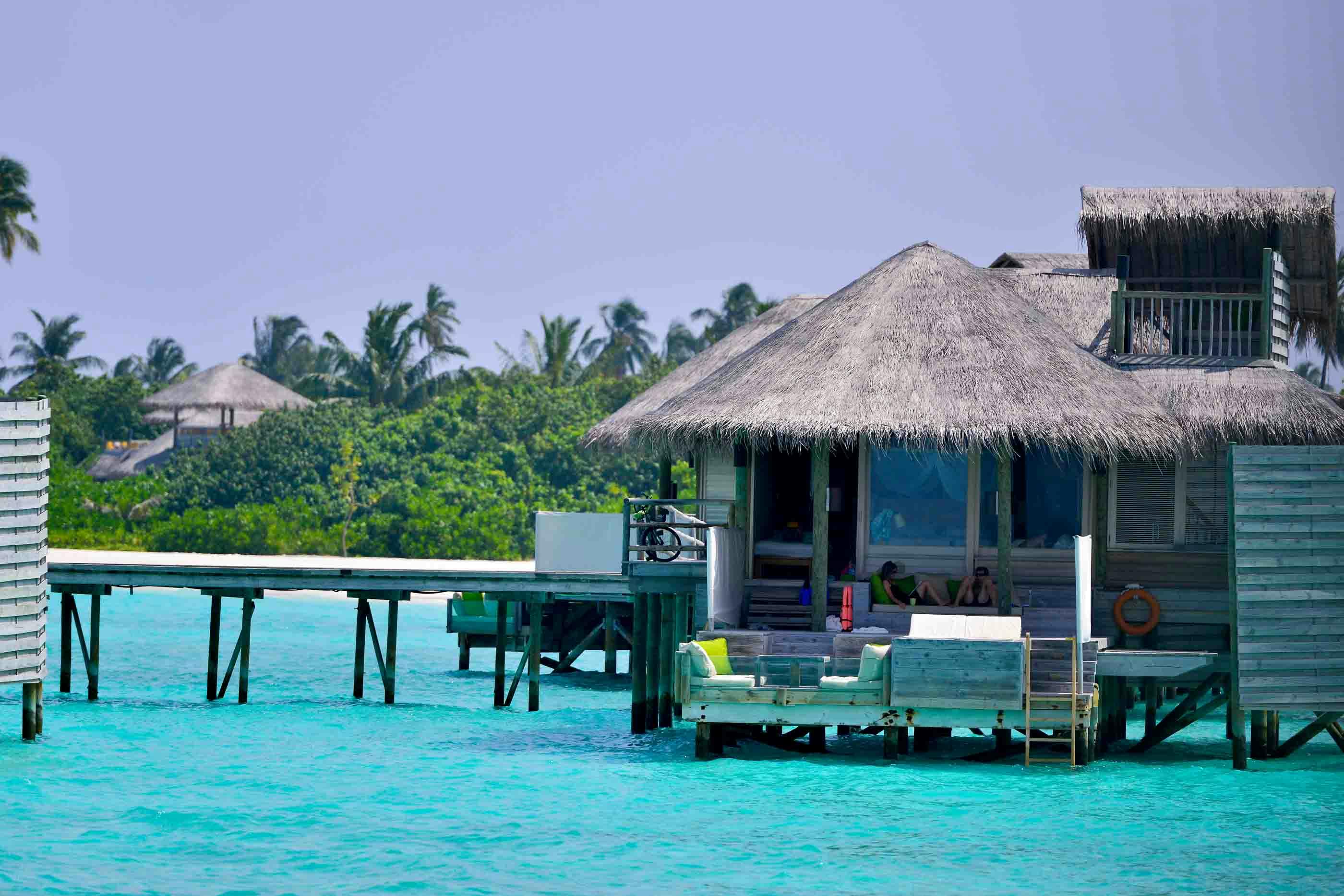
Selecting a Maldives family resort for exceptional marine encounters requires strategic planning. The focus must be on atoll proximity to major wildlife sites and the quality of the house reef. This guide details the best locations for guaranteed sightings, ensuring your family holiday is both memorable and educationally rich.
South Ari Atoll: Essential for Whale Shark Sightings
The South Ari Atoll is internationally recognised as a primary zone for whale shark sightings, with encounters possible year-round in its protected waters. This consistent presence is due to the area being part of the Maldives Whale Shark Research Programme’s protected area. Families seeking a near-certain opportunity to swim alongside these immense, harmless filter-feeders should prioritize resorts located within this atoll. Minimal transfer time to the aggregation points is crucial for successful excursions, which are typically managed by on-site marine biology centres. These centres provide essential pre-dive briefings focused on safe, respectful interaction protocols. Opting for a resort here maximises the chance for children to engage in this profoundly impactful wildlife experience.
Baa Atoll: Manta Ray Aggregation in a UNESCO Reserve
The Baa Atoll, designated a UNESCO World Biosphere Reserve, offers a seasonal, yet spectacular, marine event: the manta ray aggregation at Hanifaru Bay. From approximately May to November, the bay’s unique oceanography causes plankton to concentrate, attracting hundreds of mantas in a mass feeding spectacle. Choosing a resort that aligns with your specific marine goals is the first step toward finding the best resorts in Maldives for family holidays. Access to Hanifaru Bay is strictly controlled: snorkelling only, with no diving permitted, to protect the animals and minimise disruption. Resorts in this atoll with a dedicated marine biologist often incorporate manta ray adoption and identification programmes, transforming the viewing into a genuine educational opportunity about these intelligent cartilaginous fish.
Haa Alifu Atoll: Tranquil Reefs and Turtle Habitats
Journeying to the northern Haa Alifu Atoll offers access to some of the Maldives’ least disturbed and most pristine reefs. The area’s remoteness ensures a higher density and diversity of common reef fish and, notably, a consistent population of sea turtles, including the critically endangered hawksbill. The local house reefs are often in superior condition compared to the more central atolls, providing safe and shallow water entry directly from the beach for easy family snorkelling. This region is ideal for families who value quieter, immediate encounters. JA Manafaru, located in this remote atoll, offers exceptional house reef access where families can regularly spot green and hawksbill sea turtles grazing near the shore.
Prioritising the House Reef: Daily Marine Access
The condition and accessibility of a resort’s house reef are the most significant factors influencing daily family marine life encounters. A thriving house reef, reachable via a short swim from the beach or a jetty, eliminates the need for boat excursions for basic snorkelling. High-quality house reefs are characterised by strong coral growth and regular sightings of juvenile Blacktip Reef Sharks, a variety of pufferfish, moray eels, and large schools of tropical fish. Resorts committed to reef conservation often employ a marine biologist to maintain the ecosystem and lead guided snorkelling tours. This constant, easy access is crucial for children building water confidence, allowing them to explore the bustling underwater environment at their own pace and convenience.
Active Education: Resort Marine Biology Centres
A truly enriching family marine experience extends beyond passive viewing and into active, structured education. Top-tier resorts feature dedicated marine biology centres that run accredited programmes. These are not merely informational displays but functional labs offering hands-on activities. Offerings frequently include “Junior Marine Biologist” courses, which cover basic identification, ecology, and conservation principles. Furthermore, practical engagement activities like coral fragment planting, reef clean-ups, and citizen science data collection allow older children to contribute directly to the ecosystem’s health. This educational component shifts the vacation dynamic, fostering a deep, practical understanding of environmental stewardship.
Lagoon-Based Wildlife Observation and Excursions
Marine encounters are not restricted to deep-water snorkelling or diving. Many resorts leverage their shallow, clear lagoons for unique, non-invasive family activities. Glass-bottom kayak excursions allow non-swimmers, toddlers, and those nervous about being fully submerged to observe juvenile reef sharks and rays in their natural habitat. Separately, curated sunset cruises are highly effective for encountering pelagic species. Large pods of spinner dolphins frequently surface and perform aerial displays near the edge of the atolls during the late afternoon. These targeted, surface-level excursions provide high-impact, thrilling wildlife sightings suitable for the entire family, ensuring marine discovery remains accessible and exciting for every age group.
BK – JA Manafaru
GK – Best Resorts in Maldives for Family

